Are insulated garden rooms worth it? Costs, benefits and expert advice
An insulated garden building is essential for year-round use. You must prioritise garden room insulation that balances thermal retention with breathability. While a fully insulated garden room costs 15 to 20% more upfront, it prevents structural rot and provides the thermal stability required for a professional insulated garden office.
We have all seen picture-perfect garden rooms that look like a dream in August but feel like a walk-in freezer by November. It is gutting to spend your savings on a new workspace only to find yourself back at the kitchen table because you can see your breath indoors. You deserve a building that works as hard as you do, no matter what the British weather throws at it.
This guide will show you why real insulation matters. You’ll learn how to choose a garden room that stays warm, dry, and is cheap to run from the height of summer to the depths of winter.
Is a fully insulated garden room actually usable all year?
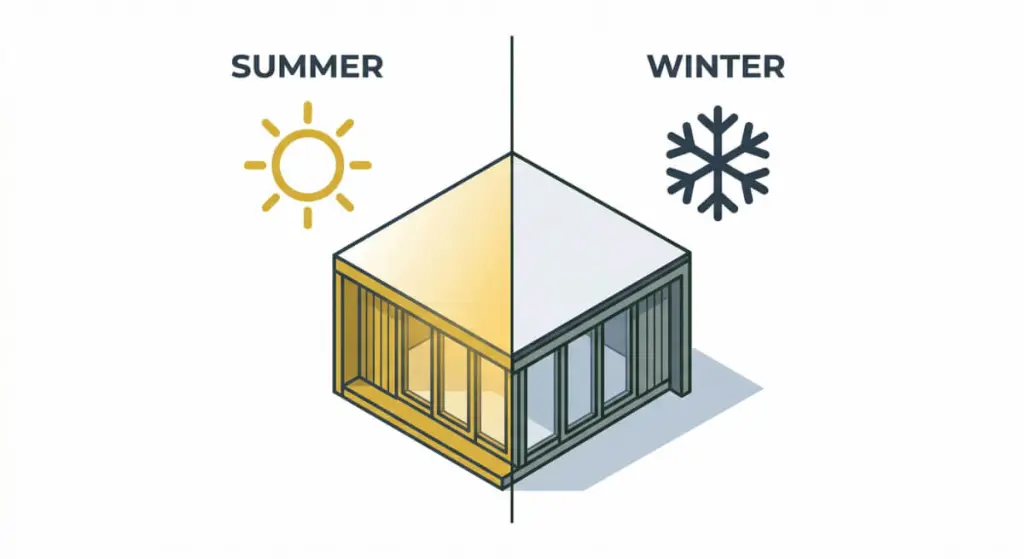
Standard timber sheds can be no-go zones once the clocks go back. Without professional-grade thermal protection, you are basically trying to heat the outdoors.
We find that a fully insulated room is the only way to bridge the gap between a simple hobby space and a genuine home extension.
Insulated summer houses vs. winter comfort
Most summer houses use thin 12mm cladding, which offers zero thermal resistance. Heat escapes through the roof and walls just as fast as your heater can pump it out.
A professional summer house built by Noah uses high-performance PIR boards. This creates a proper thermal envelope. You can sit at your desk during a frost without needing a winter coat because the room holds its temperature like a modern house.
Understanding u-values and your energy bills
U-values might sound complex, but they dictate your monthly electricity bill. Think of them as a leakiness score where a lower number is always better.
Typical garden sheds usually sit around a U-value of 5.0, which is inefficient. Modern building regs for houses aim for figures below 0.20. You can check the specifics of these standards in the UK Government Building Regulations (Part L). At Noah, you can opt for an insulation upgrade on all our garden sheds to keep you warm in winter.
Standard sheds vs. year-round garden rooms
Feature | Standard timber shed | Noah fully insulated garden room |
Wall construction | Single-skin 12mm timber | 100mm+ multi-layered |
Glazing type | Single glass or Perspex | 28mm double glazing |
Winter performance | Expensive to heat | Comfortable and efficient |
Summer performance | Overheats quickly | Stays cool and ventilated |
Expected lifespan | 5 to 10 years | 30+ years (10yr guarantee) |
How professional garden room insulation works
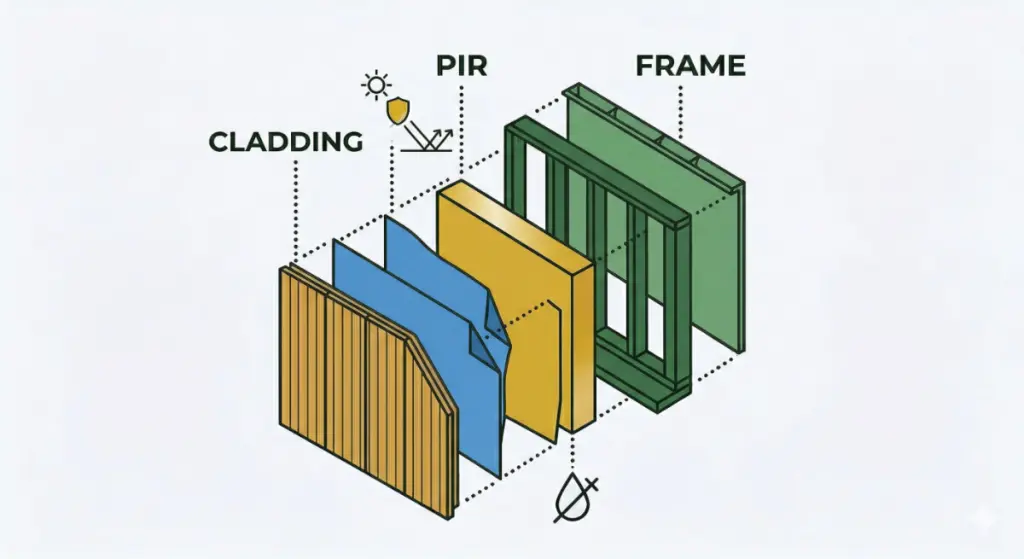
Professional garden room insulation involves more than stuffing wool into a timber frame. You need a multi-layered system to ensure the building remains dry and warm for decades.
High-performance materials work together to create a thermal envelope. This protects the structure while keeping your energy bills manageable.
The importance of breathability
Moisture is the biggest threat to any timber building. You create water vapour just by breathing or boiling a kettle. If that moisture hits a cold outer timber wall, it turns into liquid and starts the rotting process.
We install a vapour control layer on the warm side of the wall. This stops dampness from entering the cavity in the first place. You also need a breathable membrane on the outside to let trapped air out while blocking rain.
Using PIR boards
Polyisocyanurate (PIR) boards offer the best thermal performance for the thickness of the material. These foil-faced sheets reflect heat back into the room and provide superior insulation compared to traditional glass wool.
PIR boards do not sag over time. This ensures you maintain a consistent thermal envelope without cold spots developing near the ceiling. We use these high-grade materials to ensure your building meets modern standards of efficiency.
How to prevent interstitial condensation
Many budget builders ignore what we call interstitial condensation. This happens when warm, moist air meets cold air inside the wall itself. Without a proper air gap, water droplets form where you can’t see them.
Hidden moisture like this destroys a timber frame from the inside out. You usually don’t notice the damage until the building starts to fail. We include a ventilated cavity to carry that moisture away before it causes a problem.
How to design the perfect insulated garden office

Building a professional workspace requires more than a desk and a chair. An insulated garden office gives you a dedicated area to focus without the distractions of the main house.
You need a structure that feels like a natural extension of your home. Browsing our recent garden office ideas will help you visualise how to blend professional functionality with your existing garden layout.
Noise reduction and acoustics
Insulation also doubles as a sound barrier. It blocks out lawnmowers and barking dogs so your video calls stay professional.
Standard sheds vibrate when sound hits them. Our thick, insulated panels dampen that noise. You get a quiet environment even if the rest of the street is busy.
Powering your insulated garden office with electrics
Every office needs a proper electrical setup. We design every insulated garden office with electrics to include hidden data ports and power points.
Wiring is handled during the manufacturing stage to keep the interior looking sharp. You won’t have to deal with messy extension leads or trailing cables across the grass.
Why floor and roof insulation are essential
Heat loss occurs in the places you cannot see. Most heat escapes through the ceiling or the floor. We install dense insulation boards in these critical zones to keep the temperature stable.
Insulating the floor and roof prevents cold feet and reduces the strain on your heater. This level of detail separates a basic outdoor room from a high-quality office that you can use comfortably in mid-winter.
The insulated garden office checklist:
- 28mm double-glazed windows and doors for thermal control.
- Dedicated vapour control layers to prevent damp.
- Integrated electrical sockets and LED lighting.
- High-density PIR insulation in the floor and roof.
- Timber cladding treated for UK weather conditions.
Comparing an insulated garden shed, cabin, and summer house
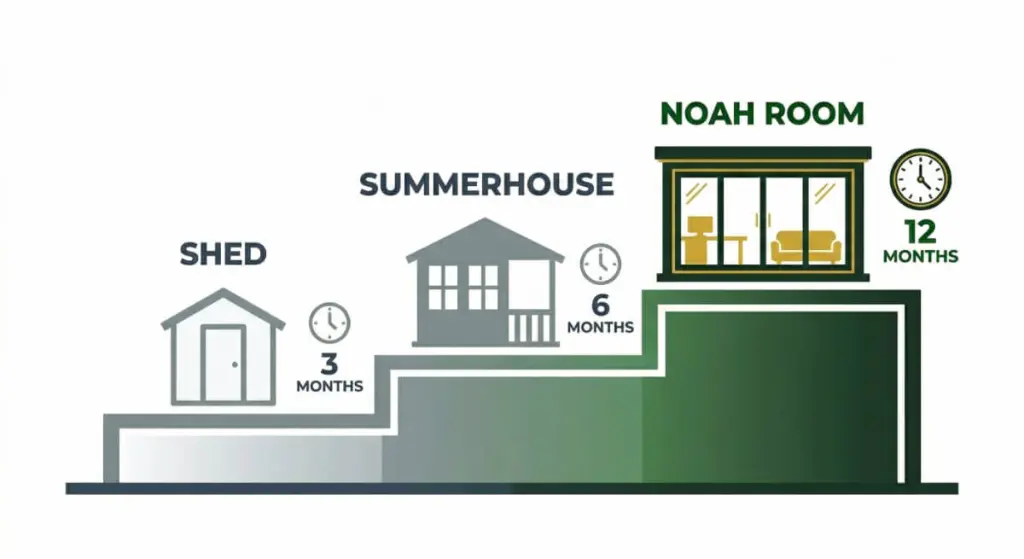
You have plenty of options when it comes to outdoor buildings. The trick is matching the structure to how you actually plan to use it.
Can you insulate a standard shed?
We often see people trying to DIY-insulate an old shed. Most of the time, the timber simply isn’t strong enough to hold heavy PIR boards.
These buildings also lack the necessary air gaps. Adding insulation directly to the walls traps moisture and almost guarantees rot within two seasons. With a new Noah shed, you have the option to include an insulation upgrade to keep the space usable year-round.
The log cabin dilemma: why timber thickness fails
Thick timber walls feel solid, but wood isn’t a high-performance insulator on its own. Log cabins also expand and contract with the seasons.
Movement like this creates tiny gaps where heat escapes. You still need a dedicated insulation layer to keep a cabin usable in January.
The best garden room heating for winter
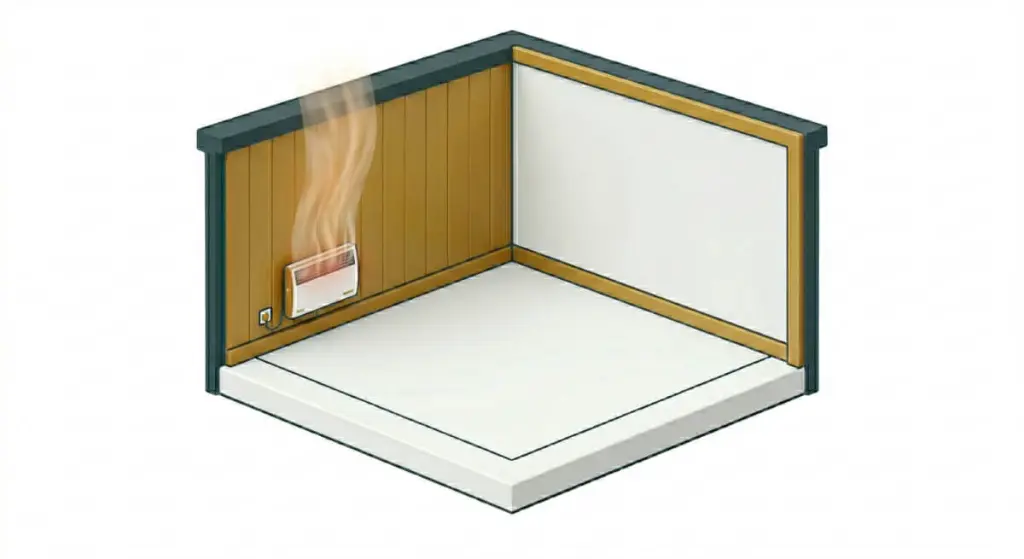
High-quality insulation acts like a thermal flask. It keeps the heat inside, but you still need a reliable source to warm the room initially. Selecting the right garden room heating system depends on your budget and how often you plan to use the space.
Convector heaters vs. underfloor heating
Electric convector heaters are a popular choice due to their low upfront cost. They warm the air quickly, making them ideal for spaces you only use for a few hours at a time.
Underfloor heating provides a more consistent level of comfort. It eliminates cold spots and frees up wall space by removing the need for bulky radiators. Underfloor heating is likely the most efficient option for daily workers because it maintains a steady ambient temperature with less energy.
Airflow and ventilation: why airtight isn’t always right
You might feel tempted to seal every possible gap to keep the winter chill out. A completely airtight room quickly becomes damp and uncomfortable.
Fresh air must circulate to prevent condensation from forming on your windows and equipment. We include trickle vents and breathable membranes to ensure your room exhales moisture. Controlled ventilation keeps your workspace healthy and protects your timber structure from humidity damage.
Are insulated garden rooms worth it?
A garden room is a big investment. You should treat it like a home improvement project rather than a simple purchase. Buying quality now saves you the cost of a full replacement five years down the line.
What determines the cost of a premium build?
Premium materials like foil-faced PIR insulation and 28mm double-glazing increase the initial cost of the structure. These components create the thermal envelope that allows you to use the room every day of the year.
Labour costs also play a role in the total price. A professional team ensures the vapour barriers and ventilated cavities are installed correctly. This technical precision protects your investment from the structural damage caused by damp and rot.
Does a garden room actually add value to your home?
Adding a high-quality garden room can increase your property value by 5% to 15%. Estate agents and surveyors prioritise habitable spaces that offer genuine functionality as an extra bedroom or office.
You find that cheap insulated garden rooms often fail to add this value. If a structure feels like a temporary shed, it does not provide the same return on investment. Professional builds attract buyers because they offer a permanent solution to a lack of space.
The Noah advantage: direct UK manufacturing
We manufacture every building in our own UK factory. This direct approach removes the added expense of sales agents and third-party distributors. You receive a premium, handcrafted building for a price that remains highly competitive.
Every structure comes with a 10-year structural guarantee. This provides peace of mind that your garden room will remain a functional part of your home for a decade and beyond.
Build it once, build it right: our final verdict
Investing in a high-spec building ensures your outdoor space remains an asset for decades.
Choosing a garden room is a big step, and it is easy to get swayed by a low price tag. However, the real cost of a building shows up in its second winter. Will yours be a warm, quiet retreat or a damp storage unit?
We manufacture everything right here in the UK to make sure it’s the former. We also offer a price guarantee – if you find a professional who can do it cheaper, we’ll match their quote. Contact us today, and let’s get your fully insulated garden room project started.
Frequently asked questions about insulated garden rooms
Do I need planning permission for an insulated garden office?
You usually do not need planning permission for an insulated garden office because most of these structures fall under Permitted Development rights. You must ensure the building height stays under 2.5 metres if you place the structure within 2 metres of your property boundary. This height restriction applies to the total height from the ground to the highest point of the roof.
You also need to confirm that the building serves an incidental purpose to the main house. This basically means the space should complement your daily life, such as a hobby room, home gym, or workspace. You cannot use the building as a self-contained living unit without seeking specific local authority approvals first.
Most garden buildings insulated for office use fit these criteria perfectly. You should always check with your local planning authority if you live in a protected area like a National Park. These areas have much stricter rules regarding the appearance and placement of outbuildings.
We design our structures to meet standard height limits while providing the maximum internal headroom possible. This allows you to secure a professional workspace without the stress of a lengthy planning application. Following these guidelines helps you avoid legal issues when you decide to sell your property in the future.
How long does the garden room insulation last?
Professional garden room insulation lasts as long as the structure itself when the builder installs it correctly. We use high-grade PIR boards that do not sag or degrade over time like cheaper mineral wool alternatives. These boards maintain their thermal properties for decades because they do not absorb moisture from the air.
You receive a 10-year structural guarantee with every Noah Garden Room to give you total peace of mind. This guarantee covers the integrity of the frame and the protective layers that keep your building dry. A fully insulated garden room stays efficient because the vapour control layers protect the core insulation from internal humidity.
You also benefit from external breathable membranes that shield the boards from wind-driven rain. Cheaper builds often fail within five years because they lack moisture management systems. You can expect your insulation to perform at a high level for 30 years or more with basic exterior maintenance.
This long-term durability ensures your running costs stay low throughout the life of your garden room. You avoid the uncomfortable cold spots that occur when inferior materials settle or dampness ruins the thermal barrier. Your investment remains protected while providing a warm and inviting space for work or leisure.
Can I use an insulated garden room as a guest bedroom?
You can use an insulated garden cabin as an occasional guest room, but you must understand the legal difference between an outbuilding and a habitable dwelling. Building a fully insulated garden room specifically for sleeping purposes will require full Building Regulations approval.
It involves much stricter rules for fire safety, ventilation, and foundations compared to a standard home office or garden studio. You must also consider the installation of mains-wired smoke alarms and specific escape routes in case of an emergency. Most homeowners use their rooms as dual-purpose spaces for work and occasional relaxation.
If you intend to rent the space out as a holiday let or use it as a permanent bedroom, you need to consult your local council. They will assess the impact on the local area and ensure the building meets all safety standards for overnight stays.
We focus on creating high-quality, insulated spaces that serve as the perfect garden office or creative studio. While the insulation levels provide the comfort needed for a bedroom, the legal classification depends entirely on what you plan to use it for. Understanding these rules early in your project helps you avoid costly building alterations later.